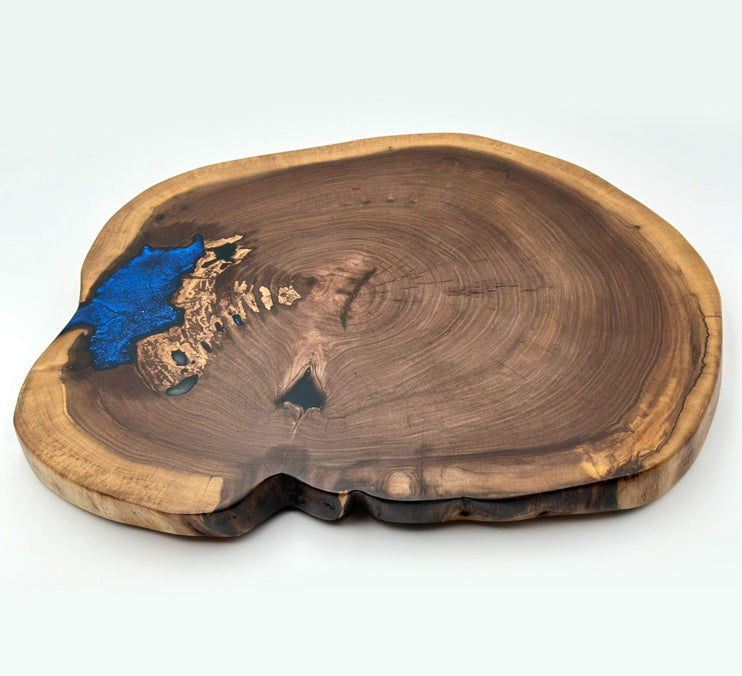
If you're looking to understand the hardwood vs softwood difference, it's essential to know a few fundamental facts. This difference isn't about how hard the wood feels, but rather the type of tree from which it originates.
## It's Not About How Hard the Wood Feels
The hardwood vs softwood difference actually relates to the classifications of trees:
- Hardwoods come from deciduous trees that lose their leaves, including varieties like walnut, pecan, and mesquite.
- Softwoods are derived from evergreen trees that retain their needles throughout the year, examples being pine, cedar, and spruce.
Interestingly, some hardwoods may be softer than certain softwoods, which means the classification is based on botany, not necessarily the physical characteristics of the wood.
## What This Means for Your Home
Understanding the hardwood vs softwood difference is crucial when making purchasing decisions for your home. For instance, hardwood is known for its density, durability, and timeless beauty. It is excellent at resisting dents and scratches, develops an attractive patina with age, and can last for generations, making it the ideal choice for items like furniture and cutting boards — anything destined to be an heirloom.
On the other hand, softwood tends to be lighter and easier to work with, an advantage for construction and framing. However, it is more prone to dents and deterioration, which is why it's less commonly used in high-end or heirloom items.
## The Simple Rule
In essence, if you're searching for items that will stand the test of time and gain beauty as they age, remember the hardwood vs softwood difference and choose hardwood. It is a sound investment in quality and longevity.
---
*At Mindful Creations Woodworking, every piece is made from Texas native hardwoods. [Shop our collection](/collections/all) or [request a custom order](/pages/contact).*